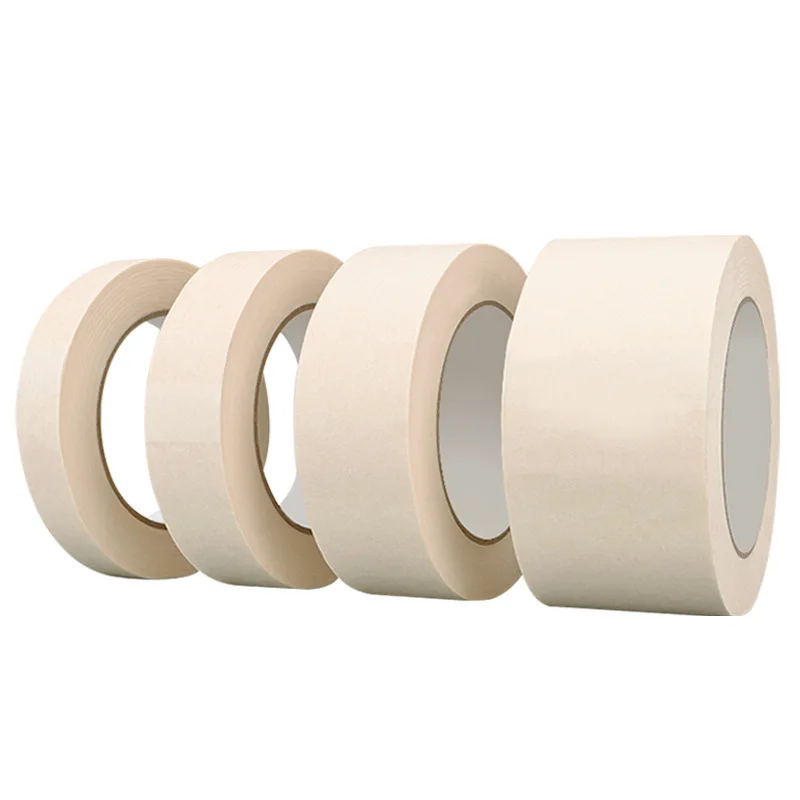
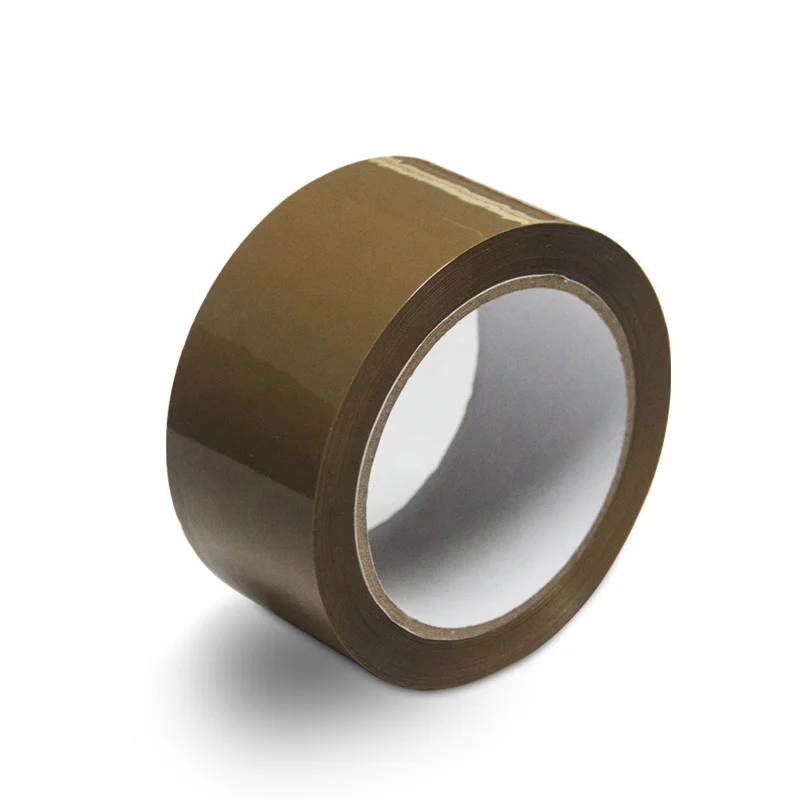
Tape china is a old type of artwork with unique ability. The people who make packaging tape are called craftsmen. They're using skills to produce beautiful designs. Let’s learn more about the history and techniques of tape china, as well as why it is important to culture.
Tape china is a fragile art that takes a lot of patience and skills to create. Using special knives, artisans cut out and shape pieces of tape into intricate designs. These come in designs of animals, plants, humans, among others. (You do not want to rip the tape, as that will ruin the whole piece.)
Tape china is in existence since hundreds of years and originated in China. Artisans who produce packaging tapes do so from generation to generation. They use special tape made of silk or paper and colorful dyes to create their designs.
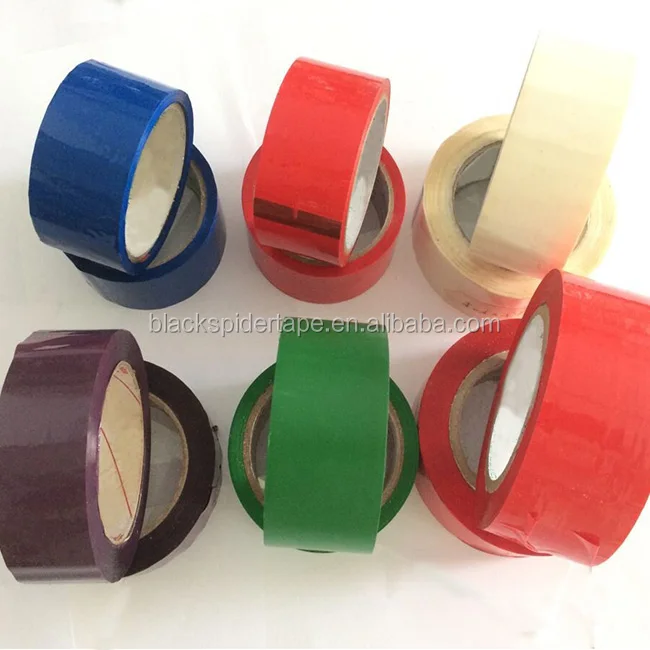
What’s even more fascinating about tape china is the level of detail that craftsmen can include in their designs. From miniature flowers to ginormous dragons, all is tape china and art. The colors are vibrant and the lines are crisp, so the finished product is quite pretty.
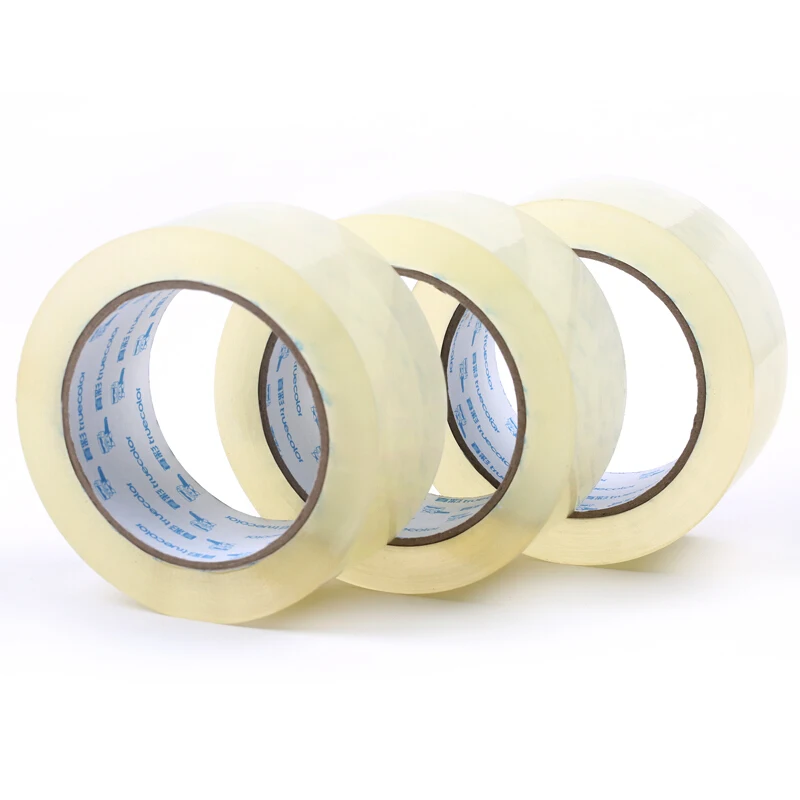
Tape china itself has changed a lot over the years. In the past craftsmen have focused on very simple designs and colors, but today can produce very complex and detailed pieces. Some artisans are getting experimental too, using new materials and tools to render a modern version of tape china art.
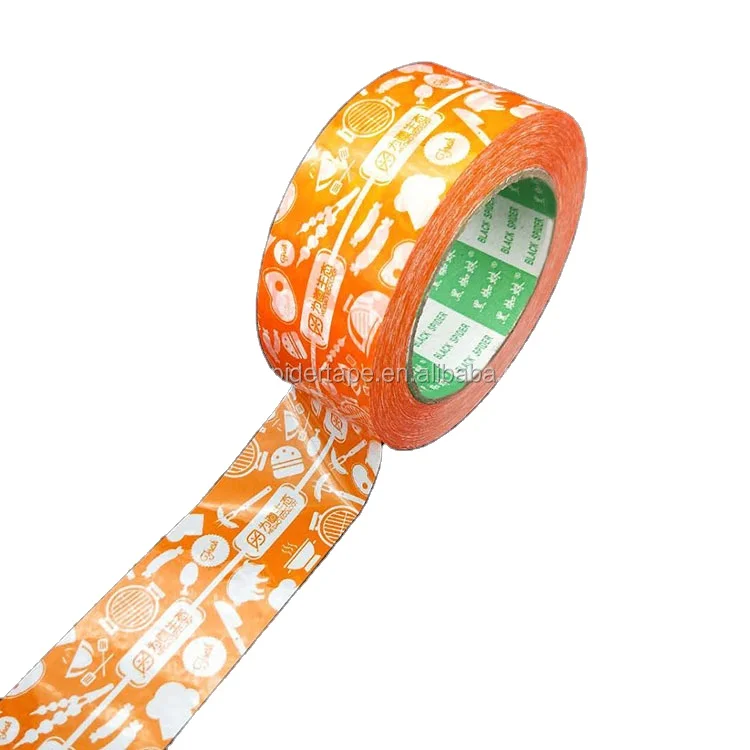
Tape china has always played an important role in Chinese culture. It is utilized in festivities and festivals as well as for common purposes. It is also very common for people to tape chinese art in their homes to bring them good luck and prosperity. Tape china is also valued for its beauty and skillful craftsmanship as works of art in galleries and museums.
Established in 2003, we offer end-to-end control—from raw material procurement and adhesive formula R&D to production, slitting, and packaging—ensuring consistent quality, shorter lead times, and direct customer collaboration.
With a monthly output capacity of 5,000 tons and a modular production system, we reduce custom order lead times from the industry average of 20 days to just 7–15 days, supported by 30+ machinery systems serving over 400 client facilities.
We incorporate recyclable materials and sustainable production practices while maintaining cost‑effective pricing. Our products are trusted by domestic leaders and exported to the Middle East, Southeast Asia, Europe, America, and South Africa, building long‑term global partnerships.
All products meet ISO, SGS, and ROHS certifications, backed by a 12‑stage quality assurance system. We also provide rapid prototyping (72‑hour samples), factory audits, design drafts, and full service tracking from order to delivery.

Black Spider Tape: High-performance tapes & films – BOPP, masking, cloth, foil, double-sided, polyimide, PVC/PE. Global, cost-effective.
Room 1818, NO. 198, Zhonghua North Ave, Shijiazhuang City, Hebei, China
Copyright © Shijiazhuang Black Spider Tape Co., Ltd. All Rights Reserved Privacy Policy Blog
 EN
EN